The title of this phlog is stolen from Eric Hansen's book of the same name, which describes his adventures in Yemen long before my time there. I used his book as a reference in planning my trip. My current employer and inability to write as well both prohibit me from offering the same quality of narrative as in his book, so this site is instead intended to help me share my photos with friends, family and fellow travelers. Enjoy!

Search

Saturday, April 24, 2010

Hyenas in Harar

Outside the walls of Islam's fourth-holiest city, Harar's Hyena Man feeds the animal with the world's strongest jaws directly from his mouth nightly. You can too, if you dare.

One of the things I like most about travel in places like this is that you actually get to exercise your own sense of judgment--for better or worse. If you're paying for the experience, nobody is going to tell you that it's illegal to walk off the trail, or even that it's unwise to feed wild hyenas raw strips of beef from your mouth. It's up to you to draw your own line of comfort, which is something I appreciate every time DC's monument guards tell me to stand 10 feet back from a ledge.

I didn't dare to put raw Ethiopian beef in my mouth or kiss Africa's ugliest animal, but I got enough of a thrill just hand-feeding the monsters.

Wednesday, April 21, 2010

Tribal Ethiopia

The remote Lower Omo Valley is home to dozens of tribes that live a life removed from the conveniences we know, with one exception: they're very acquainted with the digital camera, and aggressively demand money (5-25 cents) for each shot you take. I took many:

Mursi baby and women. The Mursi are among the most visited (and photographed) tribes because of the lip plates worn by their women, and they've become quite aggressive about demanding photographs.


Left to right: Karo boy on stilts, Konso waga (each erected in honor of a deceased clan dignitary), Hamer warrior


Left to right: Dorze children dancing in the road for money, interior of a Dorze hut.

Sunday, April 18, 2010

Shashamene

People of the rastafari faith worship His Imperial Majesty Haile Selassie (whose pre-coronation name was Ras Tafari) as a divine being who fulfilled a biblical prophecy that "kings will come out of Africa." In 1963, Selassie, as Ethiopian Emperor, granted a group of rastafarians land near Shashamene for a colony that became known as Jamaica. Today, there are several hundred rastas in Shashamene's Jamaica and, with its reggae music, ganja, and bland saltless food, it feels much like its namesake country.

Saturday, April 17, 2010

Lalibela

The rock hewn churches of Lalibela were carved around the 12th or 13th centuries. According to legend, their design was revealed to the architect, King Lalibela, during a poison-induced journey to heaven, and the plans carried out by men during the day and angels at night. Weekly Orthodox Christian services are still held in each of the churches.


Friday, April 16, 2010

Istanbul & the Bosphorus

Istanbul was lovely and easy to travel, if you can evade the occasional tout. The Blue Mosque (top four photos) is the most beautiful building I've ever seen, and I spent most of my time in Istanbul there.


Wednesday, April 14, 2010

Cappadocia

Cappadocia is one of the most touristy places I've visited, but in a good way: someone before you has already made--and the well-developed tourist infrastructure accommodated--every reasonable request for activities and amenities. You can explore the region by foot, bicycle, motorcycle, horse, car or hot air balloon. You can sleep in a cave, a fairy chimney, a hotel, or a tent. I almost wouldn't be surprised if you could get wifi 20 stories underground in Derinkuyu Underground City.

See here for more on Cappadocia's Hittite, Persian, Macedonian, Roman, Armenian, Byzantine, and Turkish history (!).

Sunday, April 11, 2010

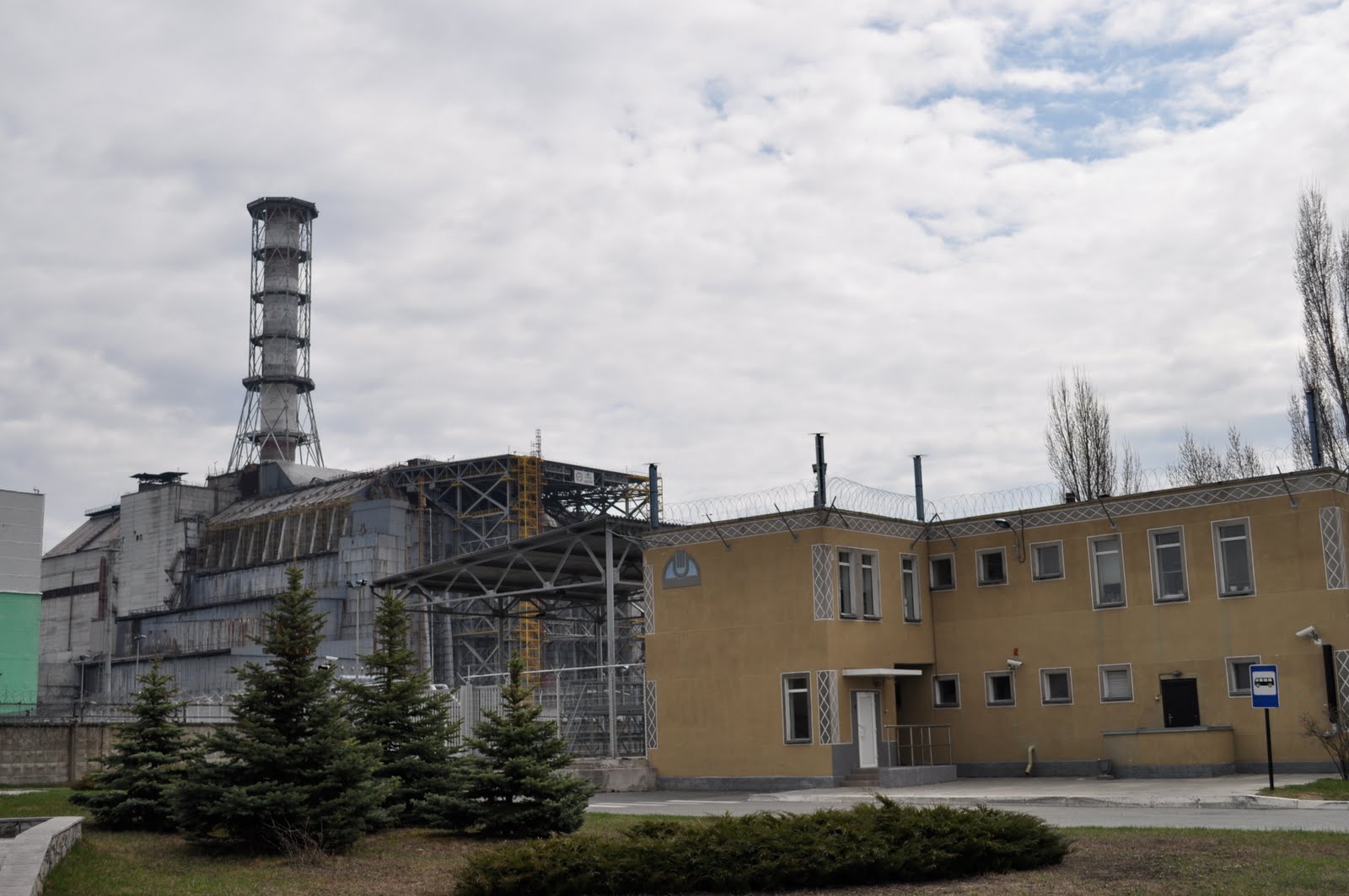
Chernobyl

On April 26, 1986, someone at Chernobyl Nuclear Power Plant thought it would be a good idea to shut down all emergency systems at the plant to see if they could power its water pumps more cheaply. It was not a good idea, and it triggered the world's only major nuclear accident (thus far).

A large explosion exposed vast amounts of radioactive materials to the open air, releasing a radioactive cloud that floated over eastern and northern Europe for months. In the ensuing confusion, Soviet authorities hesitated to enforce appropriate evacuation and crisis management procedures, and hundreds of thousands of residents and firefighters were needlessly exposed to high radiation.

Today, the area around Chernobyl is a wildlife preserve (no joke--see photo at bottom right). Radiation levels around Reactor 4--the site of the disaster--remain elevated to over 1m times those in our cities. The nearby villages have been evacuated for the most part, but other reactors at Chernobyl continued to run until 2000. For reference, 2000-1986 = 14 years after the accident in which operators were paid to continue to produce nuclear energy at its incredibly radioactive epicenter.

See here for a lengthier account of the accident and its aftermath.